Essential for goods transportation, trucking significantly supports commerce over long distances throughout the United States. In the state of Illinois, trucking is indispensable for the distribution of various products, guaranteeing that businesses can function efficiently. The sector encompasses a broad range of services, including freight brokerage and specific hauling methods utilizing dump trucks and flatbed trailers, highlighting the trucking industry’s versatility crafted to address numerous needs.
If you're overseeing a substantial fleet or considering owner operators, familiarizing yourself with the trucking environment can lead to smarter business decisions. Aspects such as trucking services, transportation options, and choosing the right trailers have a profound effect on overall efficiency. Therefore, comprehensive knowledge of these components is crucial for anyone involved in shipping and logistics at this website.
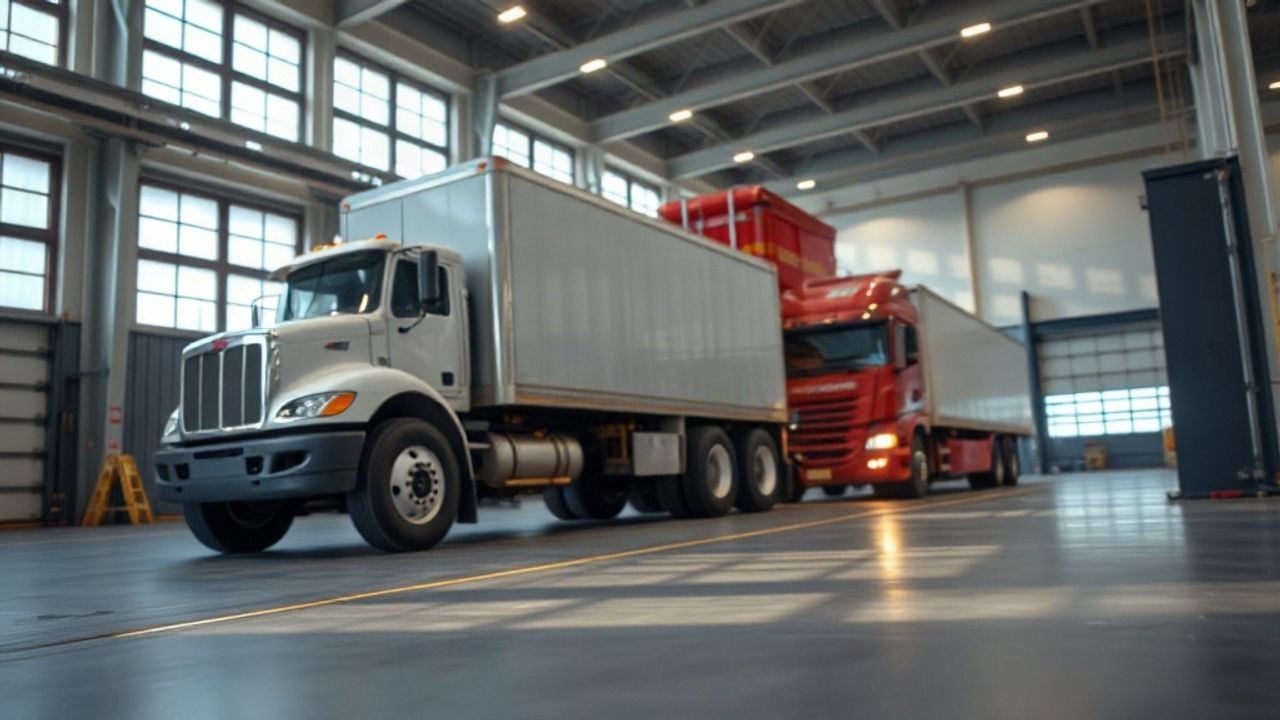 Illinois top Commodities Transportationdumpster trailers
Exploring the Basics of Trucking
At the heart of it, trucking involves transporting products using trucks. This field includes a variety of vehicle types, such as dump trucks, conestoga trailers, and tanker trucks, each crafted for specific hauling requirements. The efficiency of transporting items like agricultural outputs, construction materials, and consumer goods is largely dependent on the proper truck choice for the task. Additionally, the trucking industry is extensively regulated, ensuring operators comply with safety standards and freight regulations.
In Illinois, the diverse array of trucking services available, such as flatbed and dumpster trailers, enables businesses to effectively handle both bulk and specialized shipments. Freight brokerage services also play a crucial role, acting as intermediaries that connect shippers with reliable carriers, thereby improving the overall logistics process. To develop a deeper appreciation for the various trucking services, you can find thoughtful discussions on this topic.
The Relevance of Local Expertise in Trucking
Having local knowledge when selecting a trucking service can be incredibly beneficial. Numerous trucking businesses in Illinois are well-acquainted with local routes, traffic conditions, and applicable regulations, which can significantly enhance the logistics workflow. These local companies often have established ties with shippers and manufacturers, allowing them to deliver customized solutions that larger, national providers might find challenging to replicate.
Moreover, local operators are generally able to respond more quickly to shifts in shipping needs or unexpected obstacles. For instance, in scenarios involving sudden environmental changes, such as extreme weather conditions, a local trucking service can adapt its routes efficiently, thus minimizing delays. This level of responsiveness can provide a critical competitive advantage in fields where timely deliveries are paramount.
Types of Trucking Services Available
The diversity of trucking services reflects the specific needs of businesses across different sectors. Here are some major types:
- Dump Truck Services: Commonly used in the transportation of construction materials, dump trucks are designed to easily unload their loads, making them ideal for projects that require quick offloading.
- Flatbed Trucking: These trailers are crucial for transporting oversized or irregularly shaped cargo that cannot be transported using standard enclosed trucks.
- Tanker Trucking: This service involves the transport of liquids, such as chemicals or fuel, requiring specialized trucks to meet safety regulations.
- Freight Brokerage: Acting as intermediaries, freight brokers connect customers with trucking companies, ensuring competitive pricing and timely delivery.
- Owner Operators: Independent truck drivers who own their vehicles often prefer working directly with shippers, offering flexibility and personal service.
Key Factors to Consider When Choosing a Trucking Provider
Selecting the right trucking provider requires more than just a review of their rates; it demands a comprehensive evaluation of several fundamental factors that can impact your logistics operations. Foremost, the experience and reputation of the provider is critical. Companies with a well-established history are often more capable of delivering the reliability and professionalism essential for your shipping needs.
Moreover, ensure that the trucking service provides the kinds of trailers that pertain to your specific requirements, whether for hauling, dumping, or transporting liquids. Furthermore, exploring additional offerings, such as fleet services or logistics management, can give you peace of mind that the provider can adequately meet your operational demands.
Lastly, verifying that the provider has the necessary insurance policies and complies with both federal and state regulations is indispensable. Make sure they are licensed and insured, as this will shield both your assets and your interests. Finding a balance between affordability and quality service is crucial to making a wise decision.
Trucking industry in the United States.Essential Tips for Trucking Efficiency
By implementing strategic practices, businesses can enhance their trucking logistics and ensure reliable deliveries.
- Maintain clear communication with your trucking provider to facilitate smooth operations.
- Invest in tracking technology to monitor shipments and improve transparency.
- Regularly review trucking contracts to ensure they align with changing business needs.
- Assess fuel efficiency and vehicle maintenance strategies to reduce operational costs.
- Stay informed about regulatory changes that could impact trucking operations.
Steps for Successful Trucking Logistics
- Evaluate Your Shipping Needs: Understand the volume, type, and frequency of the goods you need to transport. Assess whether you require specialized trailers.
- Research Trucking Providers: Look for reputable trucking companies in your area, paying attention to reviews, safety records, and service offerings.
- Request Quotes: Collect price estimates from multiple providers, ensuring they provide similar service scopes to make accurate comparisons.
- Verify Compliance: Check that the trucking service holds the necessary licenses, insurance, and meets all safety regulations for transporting goods.
- Plan Your Logistics: Collaborate with your chosen provider to create a delivery schedule that accommodates both business operations and customer expectations.
- Monitor and Adjust: After initiating a delivery, keep track of the shipment's status and remain in contact with the provider for any necessary adjustments.
Frequently asked questions
What is Trucking?
Trucking refers to the transportation of goods by road using trucks. It involves various types of vehicles and services catering to the needs of different industrial sectors.
How do I choose a Trucking provider?
Choosing a trucking provider requires evaluating their experience, type of services offered, reputation, insurance compliance, and costs to find the best fit for your shipping needs.
How much does Trucking cost?
The cost of trucking varies depending on distance, type of goods, and the chosen provider. Factors such as fuel prices and vehicle maintenance may also influence overall costs.
In summary, mastering the trucking industry is essential for any business involved in logistics and shipping. By understanding different services, evaluating providers, and implementing effective strategies, companies can optimize their operations. The ability to adapt and respond to the ever-changing demands of the market will enhance efficiency and customer satisfaction.
The opportunity for growth and improved logistics efficiency awaits those who engage with the complexities of trucking services. Making informed choices based on solid research can pave the way for success in the transportation sector.